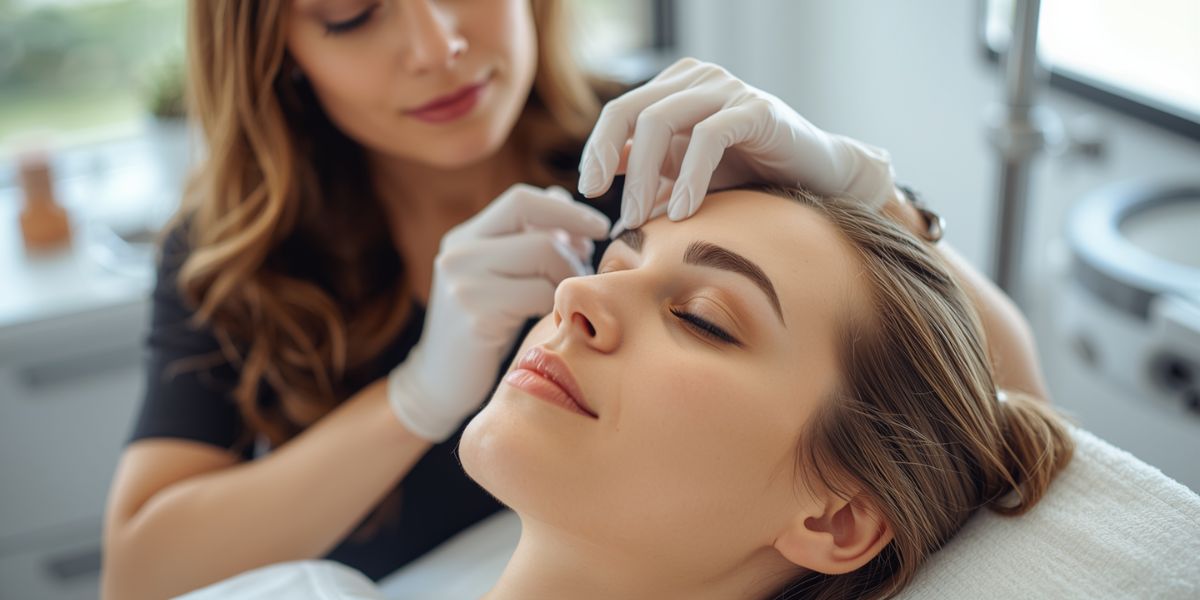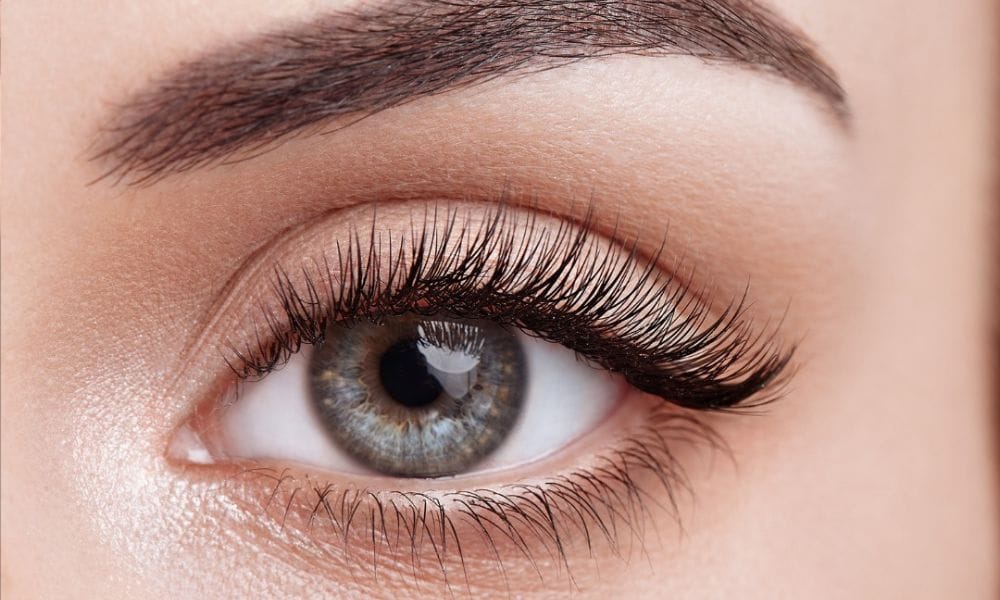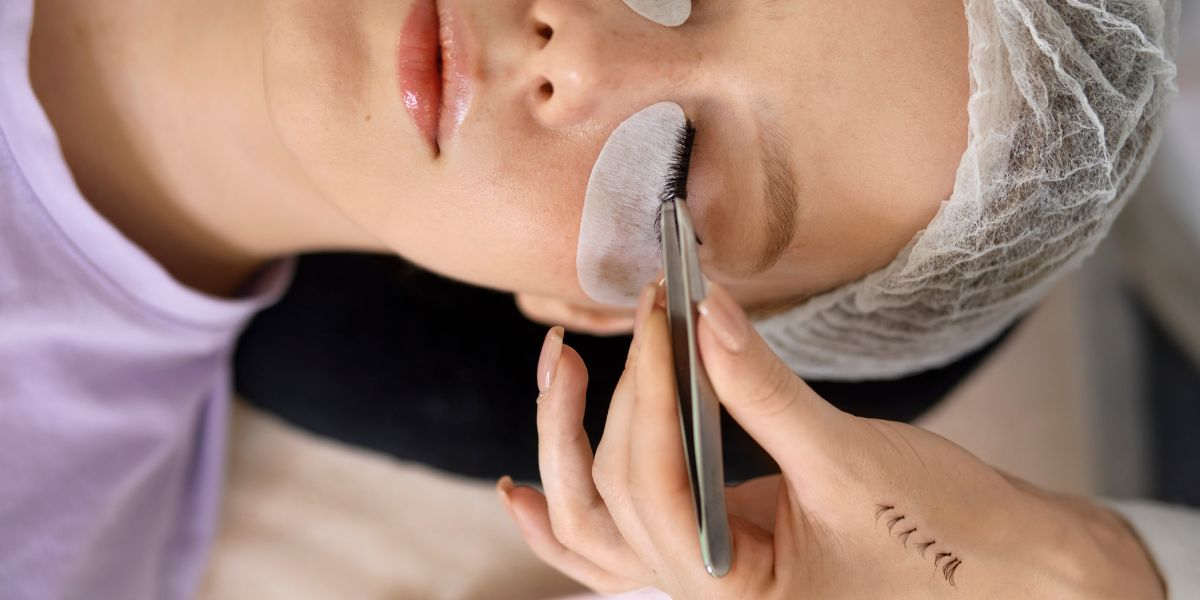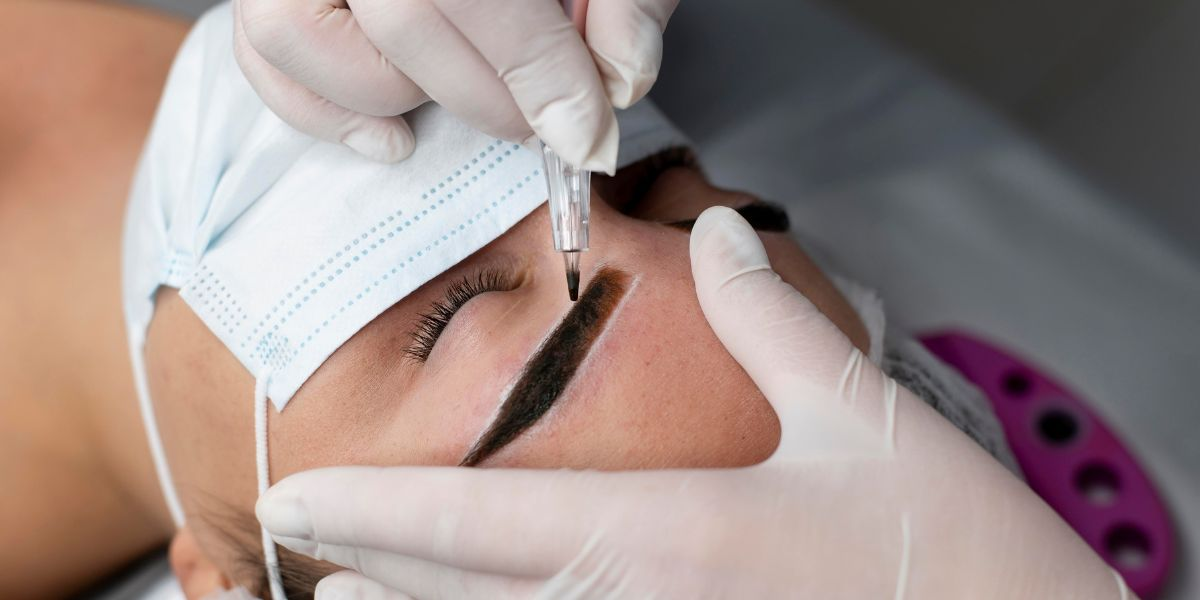
Your brows, lips, or eyeliner immediately after the procedure are not the final result. The color will change throughout the healing process. Temporary darkness, fading, unevenness, or areas that appear to be “missing” can be completely normal while the skin is healing.
Days 1–3: The color looks darker
The pigment may appear darker, sharper, and more intense than expected. Mild redness or swelling may also occur.
Days 4–10: Flaking and fading
The treated area may become dry and begin to flake. The color can look significantly lighter, uneven, or patchy. Do not pick, peel, scratch, or scrub the area, as this may remove pigment and damage the healing skin.
Weeks 2–4: The temporary “disappearing stage”
New skin may temporarily cover the pigment, causing the color to look very light, faded, or almost invisible. This is not the final result. The pigment is still settling beneath the skin.
Weeks 4–8: The color gradually returns
The pigment will slowly become more visible, softer, and more natural. Some areas may retain less color due to skin type, individual healing, aftercare, or the body’s natural response to pigment.
Why is a touch-up necessary?
A touch-up is an important part of the permanent makeup process, not an indication that the first session was unsuccessful. The touch-up allows the artist to:
- Refill areas that healed lighter or unevenly
- Adjust the color, shape, or intensity
- Improve symmetry and pigment retention
- Customize the final result after seeing how your skin healed
Touch-ups are normally scheduled only after the skin has fully healed, commonly around 6–8 weeks, depending on your skin and your artist’s recommendation.
Important reminder
Pigment retention varies from person to person. Oily or sensitive skin, natural pigment rejection, sun exposure, products containing acids or retinol, picking the flakes, and improper aftercare may all affect the healed result.